
Saltillo floors in South Florida often hide decades of failed sealers, waxes, and outdated restoration attempts — especially in older Miami-area homes.
Saltillo Restoration Miami Case Study: When Chemicals Failed and Heat Was the Only Option
Saltillo restoration in Miami isn’t always about cleaning — sometimes it’s about undoing decades of failed sealers, waxes, and shortcuts. In this real Saltillo restoration Miami case, traditional chemical strippers failed completely, revealing a layered nightmare that required advanced techniques most companies won’t attempt.
Why This Saltillo Restoration Became a Nightmare
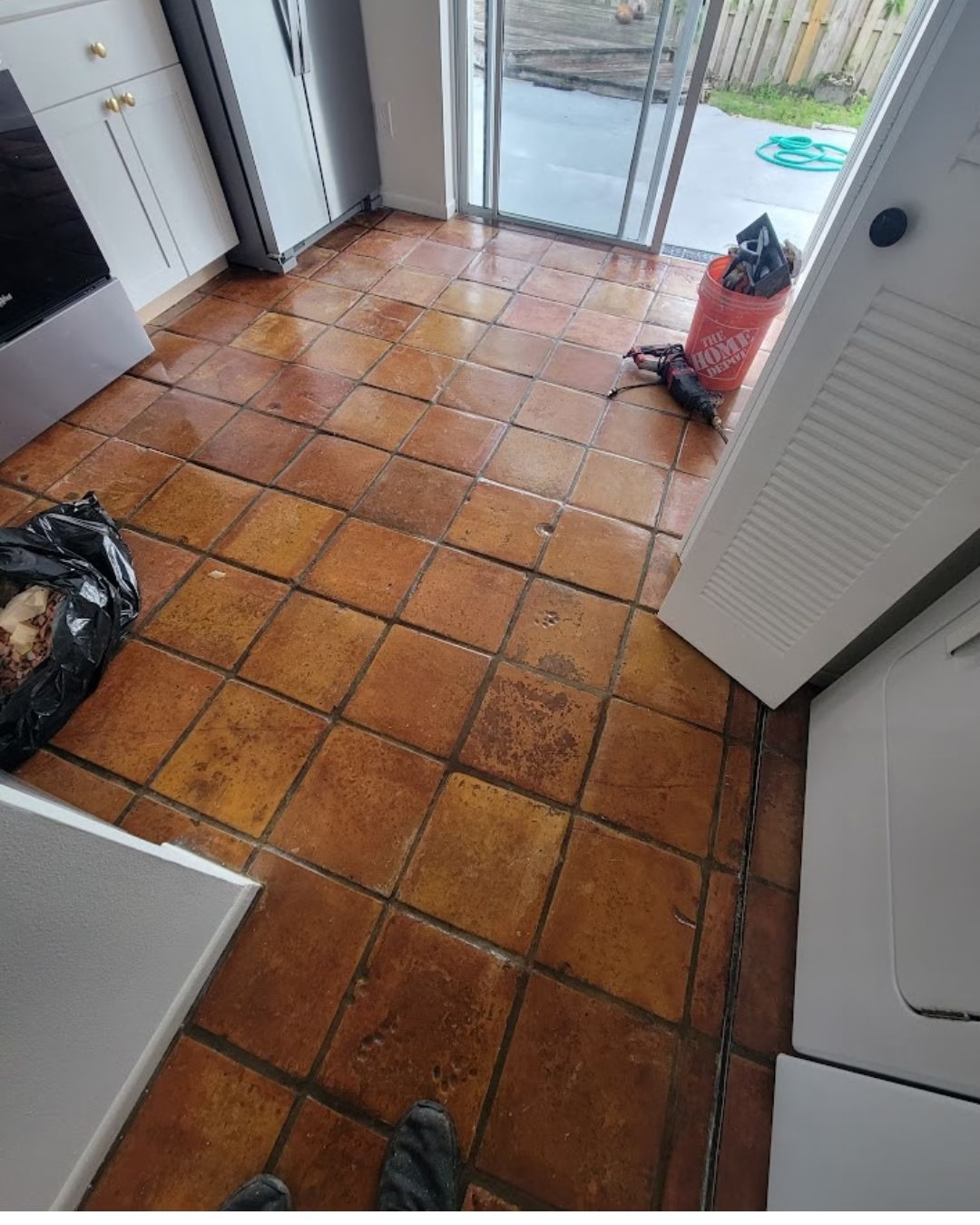
At first glance, this Saltillo floor looked like a standard restoration — dull, uneven color, sticky residue, and heavy buildup. But once work began, it quickly became clear this was not a typical Saltillo project.
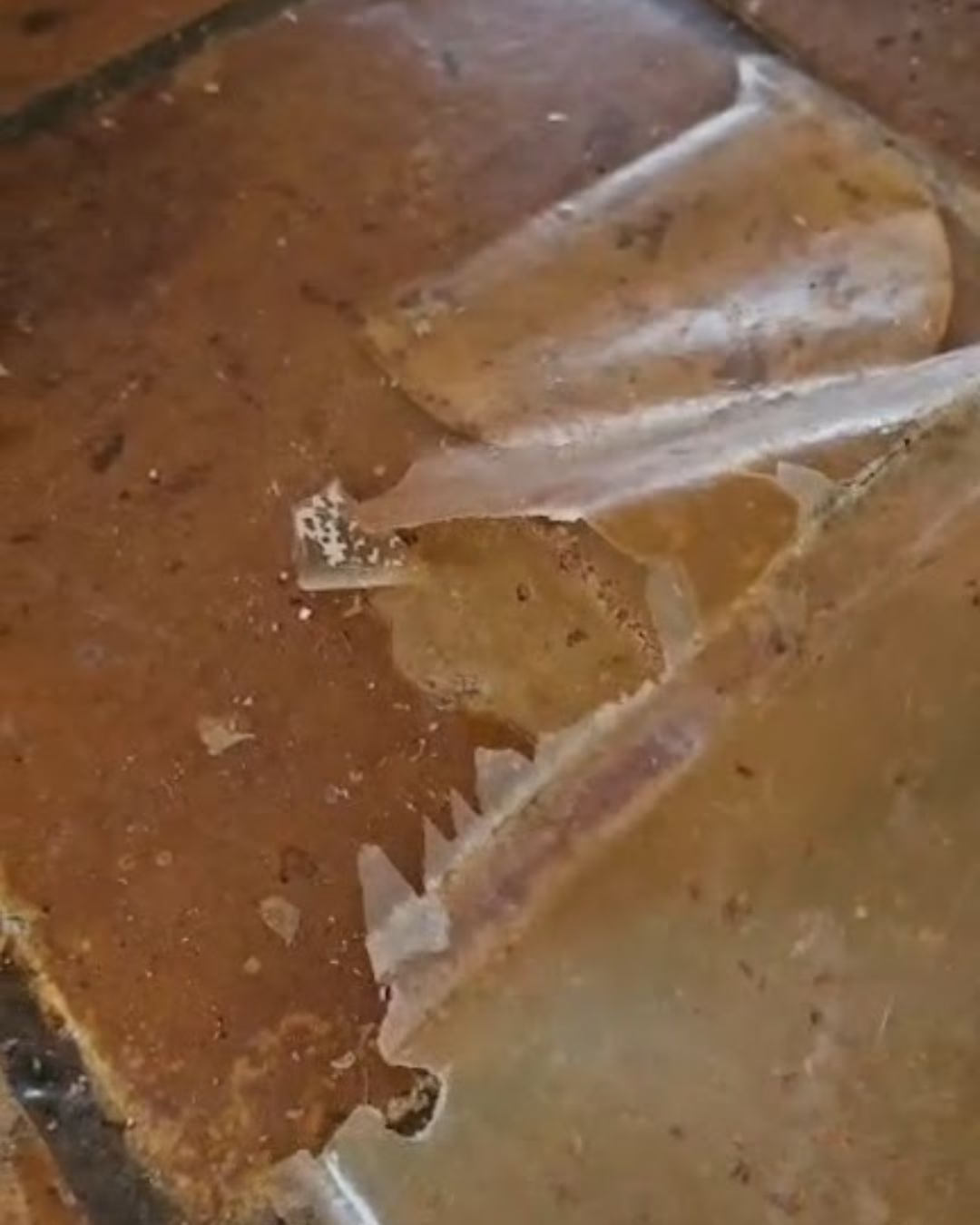
The floor was sealed decades ago using paper wax systems common in the 1980s, followed by additional layers of incompatible sealers applied over time. These coatings hardened into a plastic-like barrier that modern chemical strippers simply could not penetrate.
Even aggressive professional-grade strippers failed to soften or break through the surface. Instead of emulsifying, the wax peeled in sheets, trapping residue beneath it and preventing proper removal. Each attempt revealed yet another hardened layer underneath.
At this stage, the floor could not be cleaned, stripped, or restored using conventional methods without risking damage to the Saltillo itself.
Saltillo Restoration Miami Case Study: When Chemical Stripping Failed and Heat Was the Only Viable Restoration Method
When Chemicals Failed, Heat Became the Only Option
After multiple stripping attempts failed, it became clear that no chemical solution alone would resolve this floor. The aged paper wax had cured into a hardened, non-porous shell that blocked penetration entirely.
At this point, introducing stronger chemicals would have risked burning the Saltillo, damaging grout joints, and creating permanent discoloration. The problem wasn’t strength — it was access.
Controlled heat was the only method capable of softening the wax layers without harming the tile beneath. By carefully applying heat in small sections, the hardened coatings could finally be lifted instead of smeared or spread.
This process is slow, technical, and irreversible if done incorrectly. Excess heat can fracture Saltillo, darken clay, or permanently alter the surface. That’s why this approach is reserved only for extreme restoration cases — not routine cleaning.
What the Heat Revealed Beneath the Surface
Once the hardened paper wax was softened and removed, the true condition of the Saltillo became visible. Beneath the surface were multiple generations of incompatible sealers, each applied over time without proper stripping or neutralization.
Some layers had darkened unevenly, while others had partially failed and re-cured, creating blotchy coloration and trapped residue. In certain areas, the coatings had bonded so tightly that aggressive chemical removal would have permanently damaged the clay body of the tile.
This confirmed what initial testing suggested — the floor was not suffering from neglect, but from decades of improper restoration attempts. Each layer compounded the problem, making traditional cleaning impossible and requiring a controlled corrective approach.
This level of diagnosis is why Saltillo restoration in Miami requires experience — not just equipment.
The Outcome — Stabilized, Corrected, and Handled with Restraint
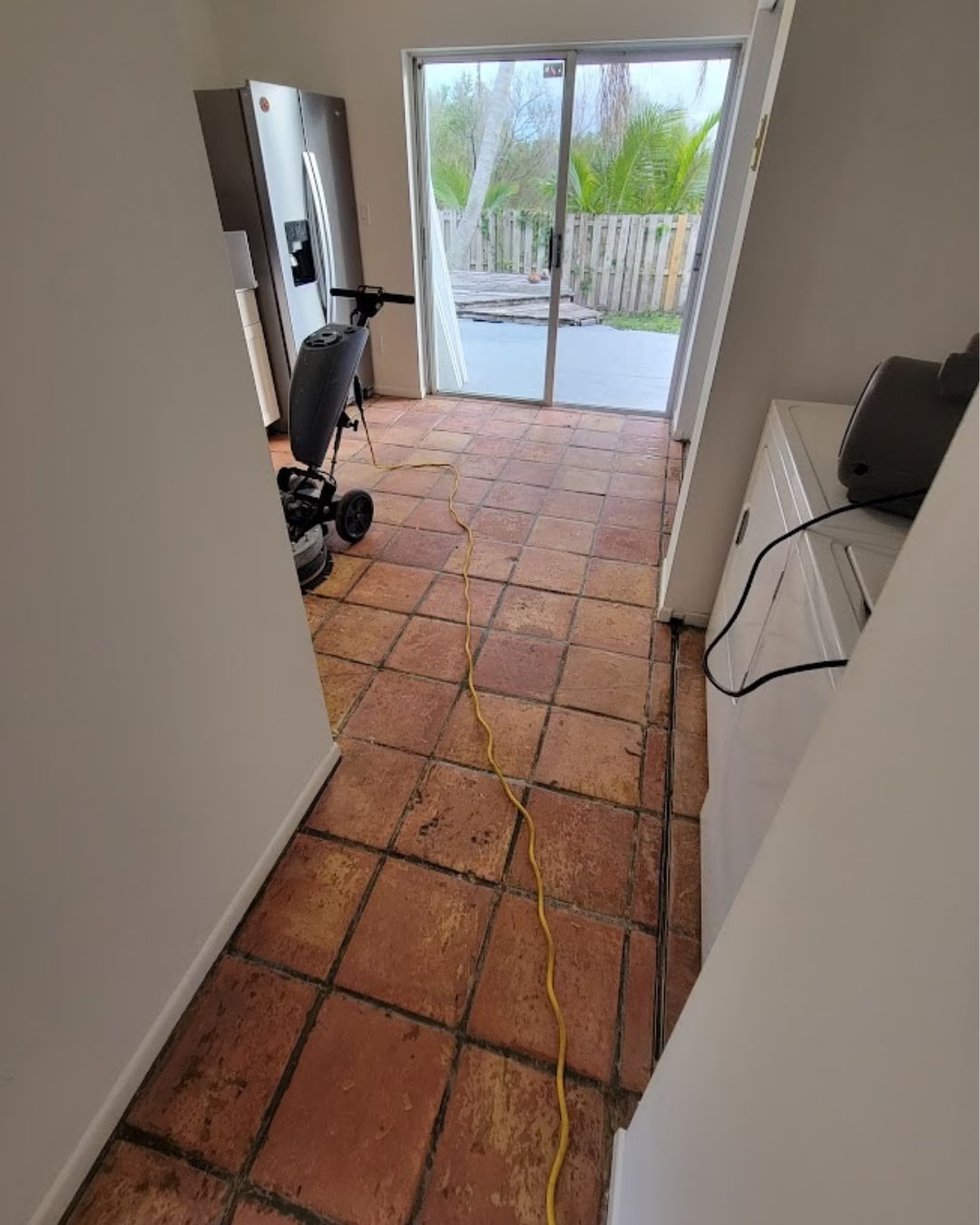
After the layered wax and legacy sealers were safely removed, the Saltillo floor was stabilized and corrected to a consistent, functional condition. The homeowner was satisfied with the results and relieved that the underlying issues had finally been addressed.
While the floor did not transform into a “like-new” appearance, the restoration successfully eliminated the sticky residue, uneven buildup, and surface failure that made the floor unusable. Most importantly, the tile was preserved without cracking, darkening, or moisture-related damage.
From a professional standpoint, this type of Saltillo restoration is measured by what is avoided, not just what is improved. In this case, the goal was correction and preservation — not cosmetic perfection.
Professional Saltillo restoration is measured by stability and preservation — not cosmetic perfection.
Frequently Asked Questions – Mexican Saltillo Restoration Miami
1) Why did chemical strippers fail on this Saltillo floor?
Because the floor had decades of layered paper wax and incompatible sealers (common in older Miami homes). Those layers harden into a plastic-like barrier that many modern chemicals can’t penetrate safely without risking damage to the soft clay tile.
2) Is using heat safe for Saltillo tile restoration?
Yes — when done by a specialist. Controlled heat is sometimes the safest option because it can remove legacy wax/sealer buildup without over-saturating the highly porous clay or chemically burning the surface.
3) Can old wax and sealers be fully removed from Saltillo tile?
In many cases, yes, but it depends on what’s on the floor. Saltillo often has multiple generations of coatings. If the wrong chemistry was used for years, removal may require a hybrid approach (thermal + specialty stripping) to avoid damaging the tile.
4) Why does Saltillo restoration fail so often in Miami?
Because Saltillo needs to breathe. Miami humidity + improper sealers = trapped moisture, which leads to whitening, peeling, sticky residue, blotchiness, and premature failure. Most companies treat Saltillo like ceramic tile — and that’s when it goes sideways.
5) Can Saltillo be made “shiny” like a waxed floor?
It can, but here’s the truth: high-shine systems reduce breathability and require maintenance. If a client insists on sheen, the correct approach is a controlled finish system designed for Saltillo — not a cheap wax job that turns sticky or cloudy.
6) How often should Saltillo floors be resealed in South Florida?
Typically every 2–3 years, depending on traffic, exposure, and what sealer/finish system was used. Humidity, mopping habits, and previous coatings make a big difference.
7) What’s the difference between Saltillo cleaning vs Saltillo restoration?
Cleaning removes surface soil. Restoration addresses failed coatings, wax buildup, stains, uneven color, residue, and sealing failures— and resets the floor so it performs correctly long-term.
8) Who should I hire for Mexican Saltillo restoration in Miami?
Hire a specialist that can identify the coating, remove it safely, and install a Miami-appropriate breathable system. That’s exactly what we do at Keep It Clean Carpets and Tile.
Why Saltillo Restoration Requires Experience — Not Just Equipment
Saltillo restoration failures like this are rarely caused by neglect. More often, they are the result of outdated materials, incompatible sealers, and well-intentioned but incorrect restoration attempts layered over decades.
Floors sealed with legacy paper wax, acrylics, or silicone-based products behave differently than modern surfaces. Treating them with routine cleaning methods can quickly escalate a manageable issue into permanent damage.
This case reinforces a simple reality: Saltillo restoration is not about using stronger chemicals or more aggressive tools. It requires understanding how the tile reacts, knowing when to stop, and choosing corrective methods that preserve the material rather than compromise it.
Need Professional Mexican Saltillo Restoration in Miami?

🌴 Always Local 🕓 Always On Time 🤝 Always Honest.