

Honed vs polished marble is one of the first questions on a marble job, and it comes down to this: do you want it to shine, or do you want it soft? Polished and honed are two finishes on the same stone, and in Miami the right one depends on the room, the water, and the sun. This guide covers which finish fits pool decks, bathrooms and kitchens, what to do about etching, and what sealing can and cannot do.
By Miguel Cedeno, owner of Keep It Clean Tile and Grout. Veteran-owned, 25+ years restoring tile and stone in Miami-Dade County and the Florida Keys.
Short answer: A polished finish has a glossy, mirror-like shine. A honed finish has a smooth matte or satin look that does not reflect light. In Miami, go honed anywhere the stone gets wet underfoot, like pool decks and bathroom floors. In kitchens it comes down to your habits. And whichever you choose, sealing stops stains, not etching.
Honed vs Polished Marble: What Is the Difference?
It is the same marble either way. What changes is how far the surface is taken. Polished stone is buffed until the surface pores are tightly compressed and practically closed, which is what gives it that mirror shine. Honed stone stops earlier, so it keeps a smooth, flat, matte or satin look with its pores left open.
That one difference drives almost everything else: grip, glare, how well the stone hides etching, and how much sealer it needs. You can see both finishes in our marble polishing work in Coral Gables.
| At a glance | Honed | Polished |
|---|---|---|
| Look | Smooth matte or satin, no reflection | Glossy, mirror-like shine |
| Grip when wet | Good grip | Slippery, like ice |
| Etching and scratches | Hides them better | Shows dull spots and scratches |
| Food stains like wine or oil | Absorbs faster | Resists liquids better |
| Glare from big windows | No glare | Can glare |
| Pool decks and outdoors | Recommended, and light colors stay cooler | Not recommended, slick when wet |
| Surface pores | Left open | Tightly closed |
| Sealing | Needs sealing more often | Needs sealing less often |
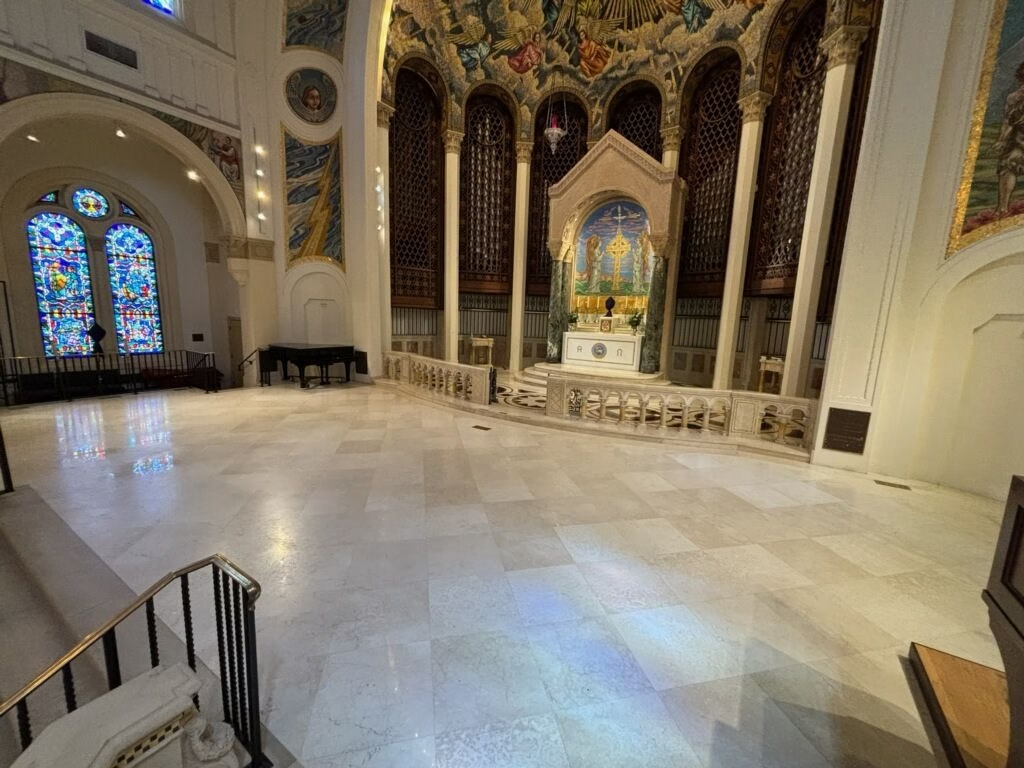
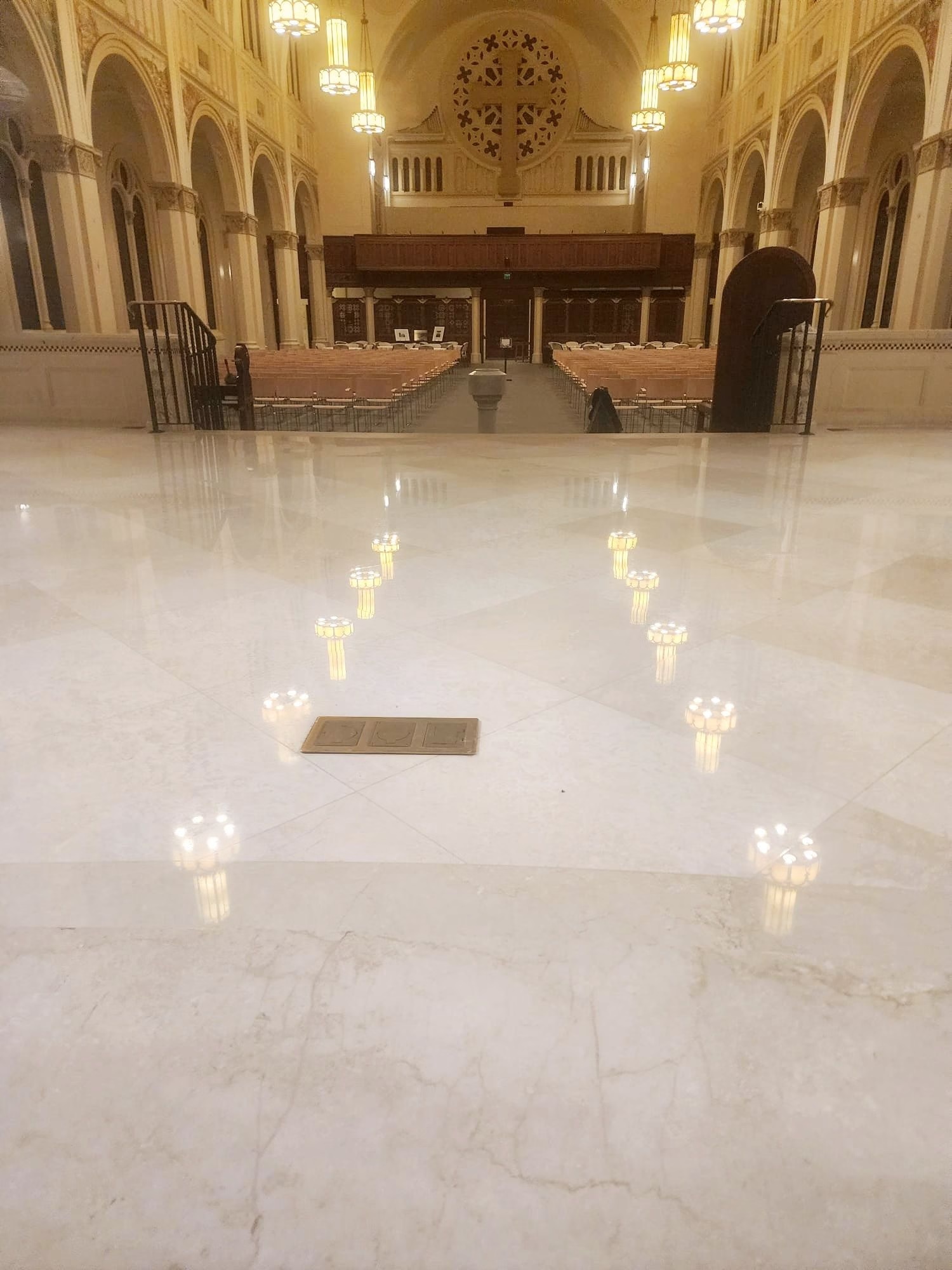
Both finishes on marble at a church we worked on.
Which Finish for Each Room in Miami
Pool decks: always honed. Or a textured finish like tumbled or brushed. Polished stone turns into ice when it gets wet from rain or pool splashes. Light-colored honed stone also stays much cooler under the Miami sun.
Bathrooms: honed for floors, polished for walls. Honed floors give you grip so you do not slip stepping out of the shower, and they hide the water spots and condensation that come with Miami humidity. Polished looks great on walls, where nobody walks.
Kitchens: it is a tie, so choose based on your habits. Choose honed if you hate seeing scratches and dull spots from acidic foods like citrus or vinegar. It also cuts the glare from big windows. Choose polished if you worry more about food stains like wine or oil, because polished stone resists liquids better. For marble counters and vanities, see our countertop and vanity restoration page.
A Real Job: Polished Marble Taken to Honed in Coral Gables
Most people call us to bring the shine back. This Coral Gables homeowner wanted it gone, on every counter in the house. There was nothing wrong with the stone. She chose the polished finish years ago, lived with it, and decided she was done with it.
We used diamond abrasives on a variable speed polisher to work the polished tops down to a flat, even matte. Nothing was stripped and nothing was laid on top. Polished and honed are the same stone worked to a different grit, which is why the finish can go in either direction. A penetrating sealer went down at the end. Taste is reversible on natural stone, so you are not stuck with a finish you picked years ago.
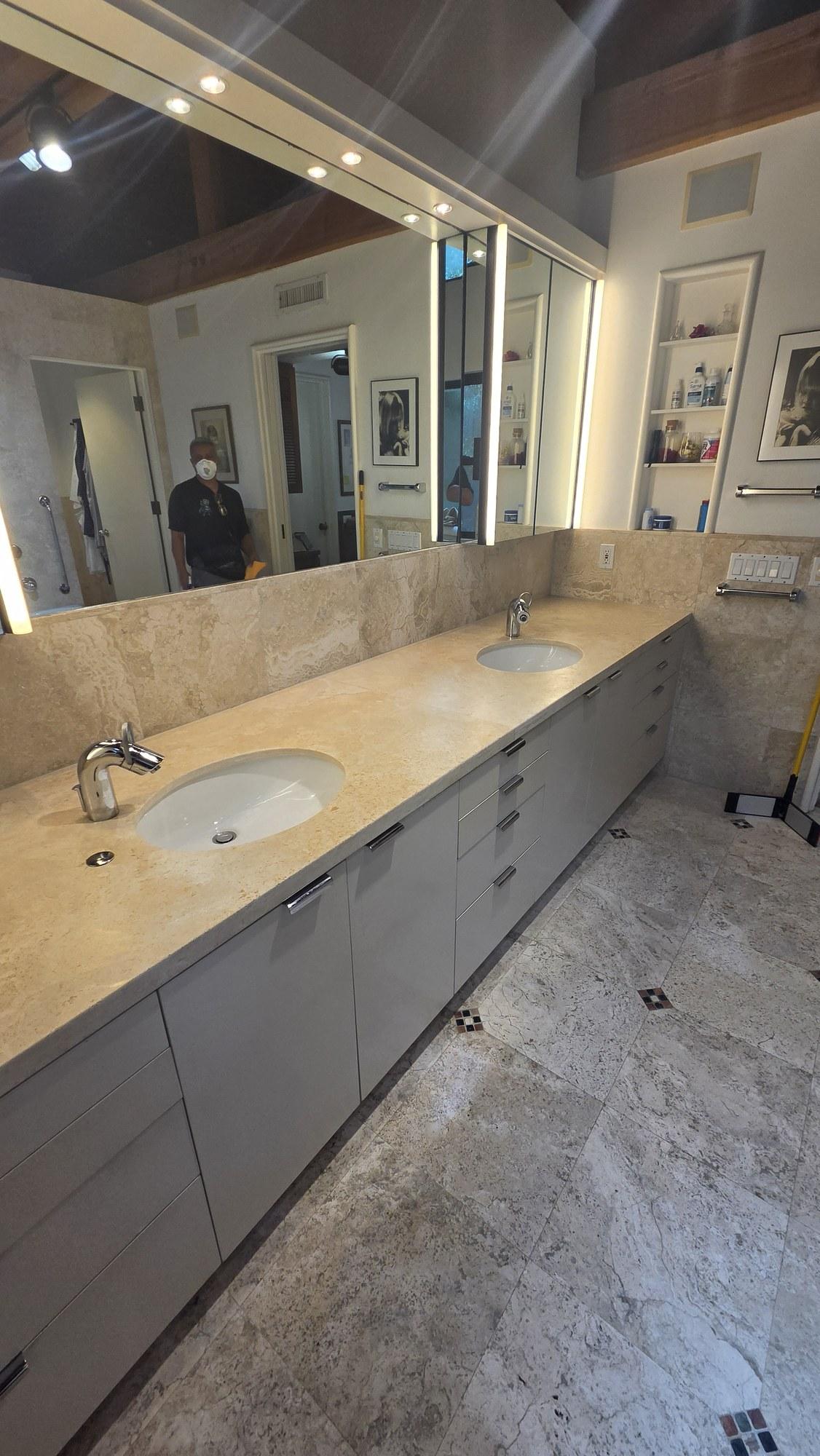
Before: polished, glossy, reflecting the room.
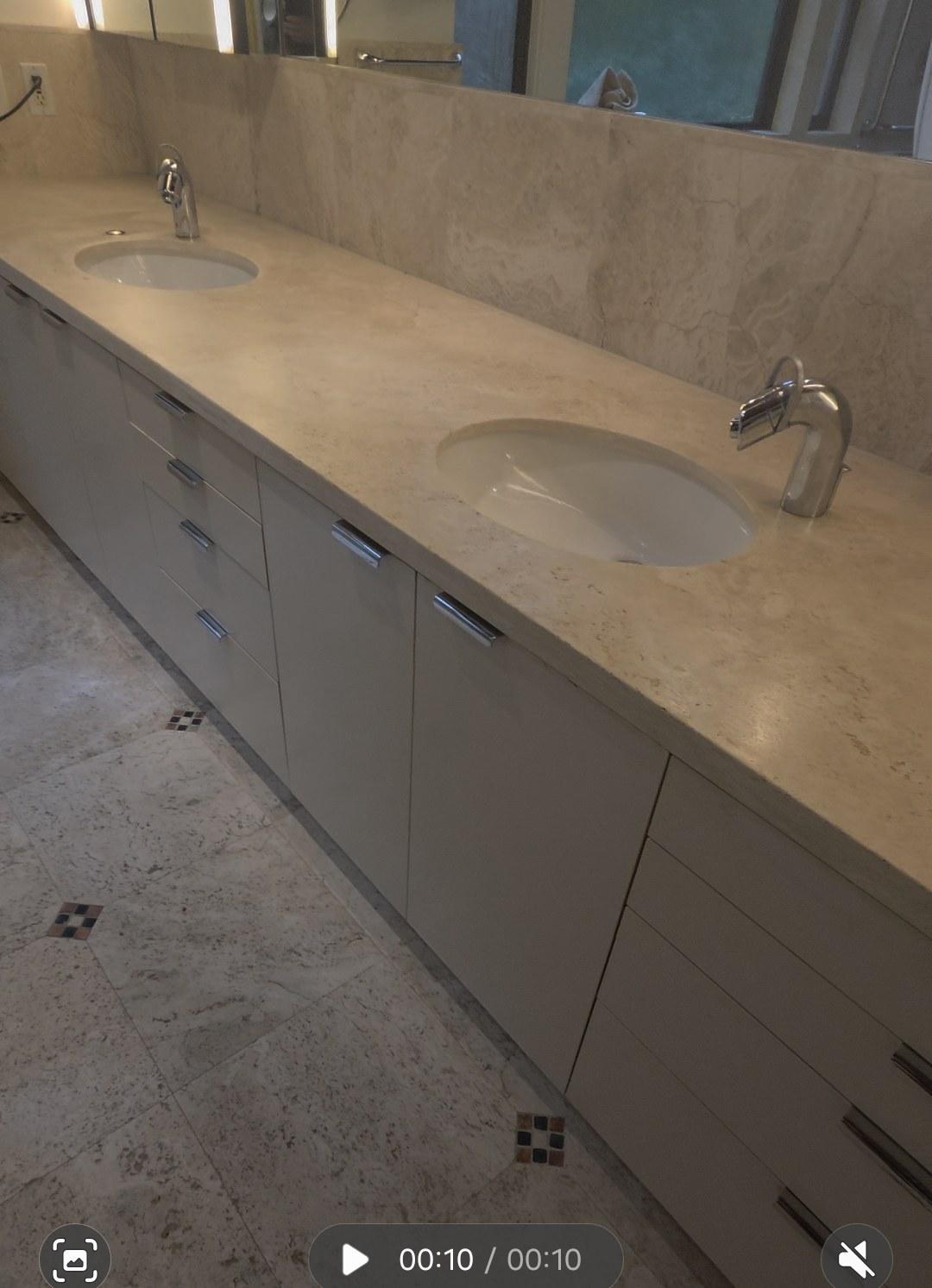
After: honed to a flat, even matte.
Watch the polished counter go matte, then see the full job on our countertop and vanity restoration in Coral Gables page.
Not sure which finish your marble has, or should have? We look at the stone in person, tell you whether it needs polishing, honing, or both, and walk you through it before any work begins. The $250 assessment is credited in full toward your service. Call or text 305-741-9729.
Etching: Do You Have to Switch to Honed?
No. Etching does not mean you have to change your marble to a matte look. Think of it like a scratch on a car.
Light etching is a minor smudge. It is a faint, cloudy mark, and the stone still feels perfectly smooth. Polishing alone fixes it. We buff it out with stone polishing powder and the shine comes right back.
Deep etching is a deep scratch. It is a rough, chalky or white spot you can feel with your fingernail. That spot has to be honed first, sanded flat, before it can be polished back to a shine.
The bottom line: if the etch mark feels smooth, it gets polished. If it feels rough, it gets honed and then polished. Our marble restoration in Miami page covers the full process. Travertine and limestone are calcium-based stones too, so they etch the same way. See travertine restoration in Miami and limestone restoration in Miami.
What Sealing Does, and What It Does Not
Sealing does not stop etching or scratching. A penetrating sealer is an invisible sponge, not a shield. It soaks into the stone to slow liquids like wine, oil and coffee from causing deep stains. It does nothing to protect the surface from acids like lime juice or vinegar, and it does nothing against scratches. Sealer stops stains, not chemical burns. Spill lemon juice on a sealed, polished marble counter and it will still leave a dull etch mark. The sealer only keeps that lemon juice from turning into a deep, permanent discoloration.
Honed stone needs more sealer than polished stone. Honed stone is thirsty and polished stone is full. With its pores left open, honed marble drinks up liquids and sealer faster, so it needs sealing more often. Polished marble resists liquids on its own because its surface is closed tight, so it needs sealing less often. How often either one needs it is always up to how the stone is used and treated, so there is no fixed schedule. We check it during the assessment. See our stone sealing in Miami page for more. If etching is your bigger worry, ask us about ceramic floor coating.
Frequently Asked Questions
What is the difference between honed and polished marble?
A polished finish has a glossy, mirror-like shine. A honed finish has a smooth matte or satin look that does not reflect light. It is the same stone either way. The difference is how far the surface is taken.
Is polished marble slippery?
When it gets wet, yes. Polished stone turns into ice from rain, pool splashes or a wet shower floor. That is why we recommend honed for pool decks and bathroom floors, and keep polished for walls and other surfaces nobody walks on.
Does etching mean my marble has to be changed to a honed finish?
No. If the etch mark still feels smooth, it is light etching and polishing alone brings the shine back. If you can feel a rough, chalky spot with your fingernail, it is deep etching. That spot has to be honed flat first, then polished back to a shine.
Does sealing marble stop etching?
No. A penetrating sealer is an invisible sponge, not a shield. It slows liquids like wine, oil and coffee from soaking in and staining. It does nothing to stop acids like lime juice or vinegar from etching the surface, and it does not stop scratches.
Does honed marble need more sealing than polished marble?
Yes. Honed stone is left with its pores open, so it absorbs liquids faster and needs sealing more often than polished stone, which is buffed until its surface pores are tightly closed. How often depends on how the stone is used and treated, so there is no fixed schedule. We check it during the assessment.
How much does marble honing or polishing cost in Miami?
A $250 assessment fee applies, paid via Zelle to confirm your appointment, credited in full toward your service. Final pricing depends on the square footage, the condition of the stone, and whether it needs polishing only or honing first.
Talk to Us About Your Marble
Keep It Clean Tile and Grout hones, polishes and seals marble and natural stone across Miami-Dade County and the Florida Keys, in homes and in commercial lobbies and businesses.
Veteran-Owned | 25+ Years | 185+ Five-Star Reviews
★★★★★ Read our reviews on Google
The $250 assessment is credited in full toward your service.
Call or text: 305-741-9729
Always Local. Always On Time. Always Honest.